

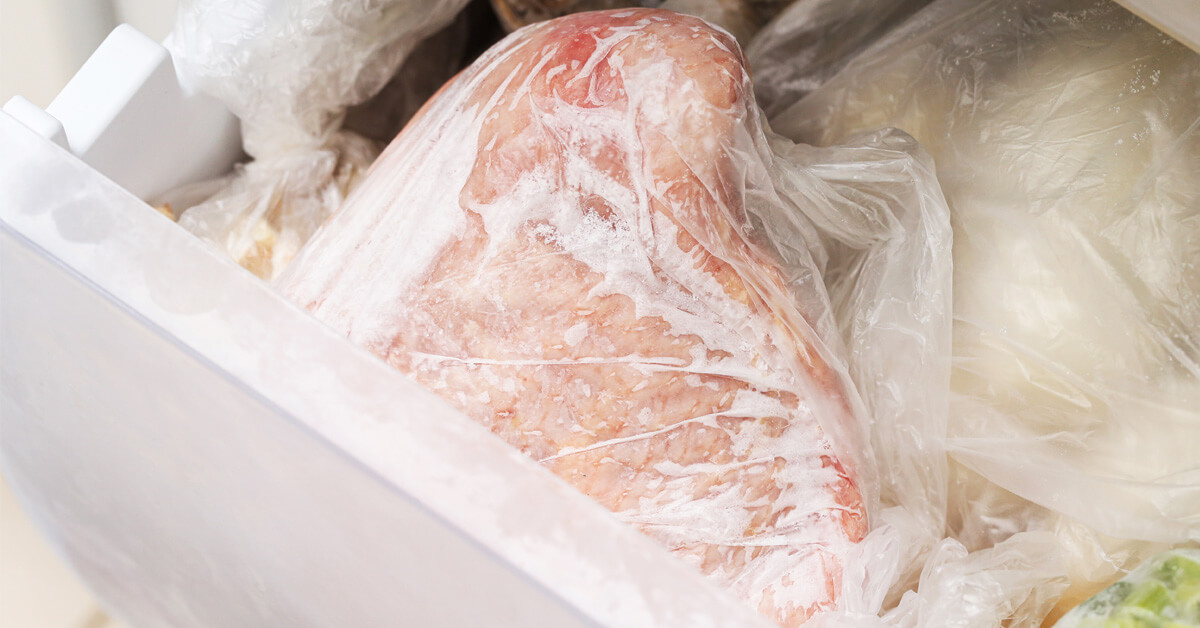
The best temperature for a freezer is minus 18°C, which preserves food quality, safety, and flavour. Keeping it at this temperature prevents frost and freezer burn while ensuring your food stays fresh and safe.
Keeping your freezer at the ideal temperature is one of the easiest ways to keep your food safe and tasting great. Get it wrong, and you might end up with ice cream that never sets properly, meat that loses its texture, or food that spoils before you get a chance to eat it.
Hot Australian summers and older appliances make regular freezer checks even more important. A simple thermometer can help you see if your freezer is staying at the right temperature.
What temperature should your freezer be set at?
For most home freezers, the sweet spot is minus 18°C. This keeps your food frozen, safe, and tasting great. Meats and veggies stay firm, while warmer temperatures can cause thawing and refreezing, which shortens shelf life. On the other hand, turning it too cold wastes energy and can lead to frost or freezer burn. Most freezers run between minus 18°C and minus 20°C, and placing a thermometer in the centre gives the most accurate reading. Chest or deep freezers usually hold their temperature more steadily. A fun tip: if ice cream stays soft at minus 18°C, it could mean the door seal or cycles aren’t quite right.
Signs your freezer is too warm
If your freezer is running a bit too warm, it can start affecting your food. Watch out for soft ice cream, water collecting under drawers, frost forming and melting repeatedly, or foods that aren’t freezing properly. Even small temperature changes over time can reduce shelf life and affect texture and flavour. If you’re not sure what temperature your freezer is at, these are some clear warning signs that it might be time to take action.
Signs your freezer is too cold
A freezer that’s too cold can cause problems too. Thick frost or ice buildup, freezer burn on meats or vegetables, difficulty opening the door, a constantly running compressor, or higher electricity bills all point to temperatures that are too low. Most of these issues can be fixed by adjusting the temperature slightly or checking that the door seal is in good condition.
How to check your freezer’s temperature
Pop a freezer thermometer in the centre and leave it for at least 24 hours for an accurate reading. Adjust the dial or digital setting if needed, then check again after another 24 hours. Keep the freezer about 70–85% full for a stable temperature, and avoid putting in warm food. Regular checks and defrosting when needed help keep your freezer running at the right temperature and your food safe.
How to keep your freezer running smoothly and your food safe
Looking after your freezer doesn’t have to be tricky. Make sure vents aren’t blocked and leave space around the sides and back. Defrost when frost builds up more than 5–10 mm, check door seals for cracks, and clean the coils if you can reach them.
A few simple food habits make a big difference. Label everything with the freezing date, rotate older items to the front, and freeze food before the use-by date. Divide meals into smaller portions and always thaw in the fridge or microwave instead of the benchtop. Keep raw and cooked foods separate to avoid cross-contamination. These steps help food stay fresh, reduce waste, and keep your freezer running efficiently.
When to call a professional
If your freezer is still causing problems, such as soft ice cream, frost buildup, temperature swings, or it can’t maintain the ideal temperature, it’s time to call a professional. Our expert technicians can check, repair, and service your freezer so your food stays safe and your appliance runs smoothly.